Hydrolyzed Collagen: Your Body’s Natural Support System
Discover the science behind hydrolyzed collagen and how it may support your joints, skin, and overall wellness as you age.
What is Hydrolyzed Collagen?
Collagen is the most abundant protein in your body, accounting for about 30% of your total protein content. It provides structure, strength and support throughout your body, particularly in skin, muscles, bones, tendons, ligaments, and other connective tissues (Cleveland Clinic).
Hydrolyzed collagen (HC) is a group of peptides with low molecular weight (3–6 KDa) that can be obtained by enzymatic action. The hydrolysis process breaks down the large collagen molecules into smaller, more bioavailable peptides that are easier for your body to absorb and utilize (PMC – Hydrolyzed Collagen Sources and Applications).
The Science: Why Molecular Weight Matters
The molecular weight of hydrolyzed collagen is crucial for bioavailability. Research shows that collagen peptides with molecular weights between 3-6 KDa demonstrate optimal absorption rates. At 3000 daltons, hydrolyzed collagen achieves:
- 90-95% bioavailability – meaning most of what you consume actually gets absorbed
- Neutral taste – making it easy to mix with beverages
- Superior absorption – 15x better than larger molecular weight collagens
Contrary to some marketing claims, recent scientific research indicates that molecular weight differences (whether 2,000 or 5,000 daltons) don’t significantly impact absorption rates, as collagen molecules are broken down by enzymes in the small intestine regardless of their initial size (Edible Health).
Potential Benefits Supported by Research
Joint Health Support
Collagen is a key component of cartilage. Research suggests hydrolyzed collagen may help support joint comfort and mobility. Studies have shown potential benefits for individuals with osteoarthritis (Arthritis Foundation).
Skin Health & Appearance
Clinical studies demonstrate that hydrolyzed collagen supplementation may improve skin hydration, elasticity, and overall appearance. The peptides can stimulate fibroblast activity and support natural collagen synthesis in the dermis.
Muscle Support
Hydrolyzed collagen provides essential amino acids including glycine, proline, and hydroxyproline that support muscle maintenance and recovery, particularly important as natural collagen production declines with age.
Overall Wellness
As collagen is found throughout the body – in organs, blood vessels, and connective tissues – supplementing with hydrolyzed collagen may support overall structural health and wellness.
Clinical Research Highlights
Skin Health Studies:
- A 2008 Tokyo study of 33 women ages 40-60 showed a 91% increase in skin hydration and resilience after taking 10g of hydrolyzed collagen daily for 2 months
- A French study demonstrated 41% less furrowing and fewer wrinkles after 12 weeks of supplementation
- Multiple studies show improvements in skin thickness, suppleness, and hydration
Joint Health Research:
- Studies indicate hydrolyzed collagen may help reduce joint pain and improve function in people with knee osteoarthritis
- Research shows potential benefits for cartilage support and joint mobility
- Some studies demonstrate improvements in activity-related joint discomfort
Quality and Purity Standards
High-quality hydrolyzed collagen undergoes rigorous processing including:
- Enzymatic hydrolysis without harsh heat or acids to preserve bio-compatibility
- Microfiltration at controlled temperatures to remove contaminants
- Deionization for maximum purity
- Sterilization and hydrogen peroxide treatment
- Metal detection for heavy metal contamination
- Spray drying in sterile conditions
How to Use Hydrolyzed Collagen
For optimal absorption and results:
- Blend with juice: Mix 2-6 tablespoons daily in organic fruit or vegetable juice for best absorption
- Vitamin C synergy: The vitamin C in juice acts as an important co-factor for collagen synthesis
- Consistent use: Take daily for cumulative benefits – most people notice improvements within 3-4 weeks
- Loading dose: For best results, use consistently for at least 60 days
Hydrolyzed vs. Regular Collagen
The key difference lies in bioavailability and absorption:
- Regular collagen: Large molecules that must be broken down by digestion, often resulting in incomplete absorption
- Hydrolyzed collagen: Pre-broken into smaller peptides for superior absorption and utilization by the body
- Bioavailability advantage: Hydrolyzed collagen is more easily absorbed and distributed throughout the body (Sisneo Bioscience)
Important Disclaimer
These statements have not been evaluated by the Food and Drug Administration. This product is not intended to diagnose, treat, cure, or prevent any disease. As with all food supplements, we are not guaranteeing or claiming to diagnose, cure, or treat any disease condition. These are not drugs. Individual results may vary. Consult with your healthcare provider before starting any supplement regimen.
Learn More About Quality Hydrolyzed Collagen
Interested in learning more about high-quality hydrolyzed collagen and how it might support your wellness goals? Discover the difference that proper processing and molecular weight can make.
Ready to experience the benefits for yourself?
Sources and References
1. Cleveland Clinic – Collagen: What It Is, Types, Function & Benefits
2. Arthritis Foundation – Can Collagen Supplements Help Arthritis?
3. PMC – Hydrolyzed Collagen—Sources and Applications
4. Edible Health – Myth: The Molecular Weight of Collagen Affects Its Absorption
5. Sisneo Bioscience – Differences and Benefits Between Hydrolyzed Collagen and Collagen
6. PMC – Collagen Supplementation for Joint Health: The Link between Composition and Scientific Knowledge
Hydrolyzed Collagen: Your Body’s Essential Building Block
What You Need to Know: Collagen is the most abundant protein in your body, making up about 30% of your total protein. As we age, collagen production naturally declines by approximately 1% per year after age 40, reaching a 75% decrease by age 80 compared to young adults.
Understanding Hydrolyzed Collagen
Hydrolyzed collagen (also called collagen peptides) consists of small peptides with low molecular weight (3-6 kDa) obtained through enzymatic breakdown of native collagen. This process makes the collagen highly bioavailable – meaning your body can actually absorb and use it effectively.
The Science of Bioavailability
Research shows that hydrolyzed collagen with optimal molecular weight around 3,000 daltons achieves 90-95% bioavailability, compared to only 5% or less for many standard supplements. Studies using radio-assay testing confirm that collagen peptides appear in human bloodstream as both free amino acids and bioactive di- and tripeptides after ingestion.
Research-Backed Benefits
🦴 Joint & Cartilage Support
Clinical studies show hydrolyzed collagen may help support joint comfort and function. Type II collagen makes up about 90% of cartilage collagen, while the body can utilize hydrolyzed collagen peptides to support various tissue types.
Reference: Arthritis Foundation – Collagen Supplements Research
✨ Skin Health & Elasticity
A comprehensive meta-analysis of 26 randomized controlled trials involving 1,721 patients found that hydrolyzed collagen supplementation significantly improved both skin hydration and elasticity compared to placebo groups.
Reference: PMC – Oral Collagen for Skin Anti-Aging Meta-Analysis
💪 Muscle & Athletic Support
Hydrolyzed collagen provides essential amino acids including glycine, proline, and hydroxyproline that support muscle protein synthesis and recovery. Athletes worldwide are incorporating collagen peptides into their nutrition regimens.
🦴 Bone Health Support
Since collagen makes up the majority of bone’s organic matrix, supplementation may help support bone density and strength as part of a healthy lifestyle.
Quality Matters: What to Look For
Key Quality Indicators:
- Molecular Weight: Look for 2,000-5,000 daltons for optimal absorption
- Source: Grass-fed bovine, wild-caught marine, or free-range sources
- Processing: Enzymatic hydrolysis without harsh chemicals
- Purity: Third-party tested, free from contaminants
- Bioavailability: Peptide-specific formulations for targeted benefits
How Different Sources Compare
Recent bioavailability studies comparing fish, porcine, and bovine collagen sources found that while all sources are effectively absorbed, there are some differences in peptide profiles. The research indicates that different sources may have varying effects on specific biomarkers, though all showed positive results for health outcomes.
Source: Frontiers in Nutrition – Collagen Hydrolysate Bioavailability Study
Optimal Usage Guidelines
Recommended Dosage: Clinical studies typically use 2.5-15 grams daily, with many showing benefits at 10 grams per day.
Best Absorption: Mix with vitamin C-rich juice (orange, berry) or smoothies. The vitamin C acts as a cofactor for collagen synthesis.
Timing: Can be taken any time of day, with or without meals. Consistency is key for best results.
What the Research Shows
Clinical Evidence:
- Skin Benefits: 91% increase in skin hydration and resilience in 8-week studies
- Joint Support: Significant improvements in joint comfort scores in multiple trials
- Absorption: Collagen-specific peptides detectable in bloodstream within 1-2 hours
- Safety: Excellent safety profile with no significant adverse effects reported
Sources: Multiple clinical trials referenced in Cleveland Clinic Collagen Overview
Why Choose High-Quality Hydrolyzed Collagen?
Not all collagen supplements are created equal. Premium hydrolyzed collagen undergoes rigorous processing including:
- Enzymatic hydrolysis to optimal molecular weight
- Multiple purification steps
- Sterilization and quality testing
- Heavy metal screening
- Bioavailability optimization
Important Disclaimer
These statements have not been evaluated by the Food and Drug Administration. This product is not intended to diagnose, treat, cure, or prevent any disease. Individual results may vary. Consult with your healthcare provider before starting any new supplement regimen, especially if you have medical conditions or take medications.
Ready to Experience the Benefits?
Join thousands of people who have made hydrolyzed collagen part of their daily wellness routine. Choose quality, choose science-backed nutrition.
Learn More About Our Premium Collagen
References and Further Reading:
- Hydrolyzed Collagen—Sources and Applications – PMC
- Collagen: What It Is, Types, Function & Benefits – Cleveland Clinic
- Can Collagen Supplements Help Arthritis? – Arthritis Foundation
- Effects of Oral Collagen for Skin Anti-Aging: Systematic Review – PMC
- Absorption of bioactive peptides following collagen hydrolysate intake – Frontiers in Nutrition
productsproducts
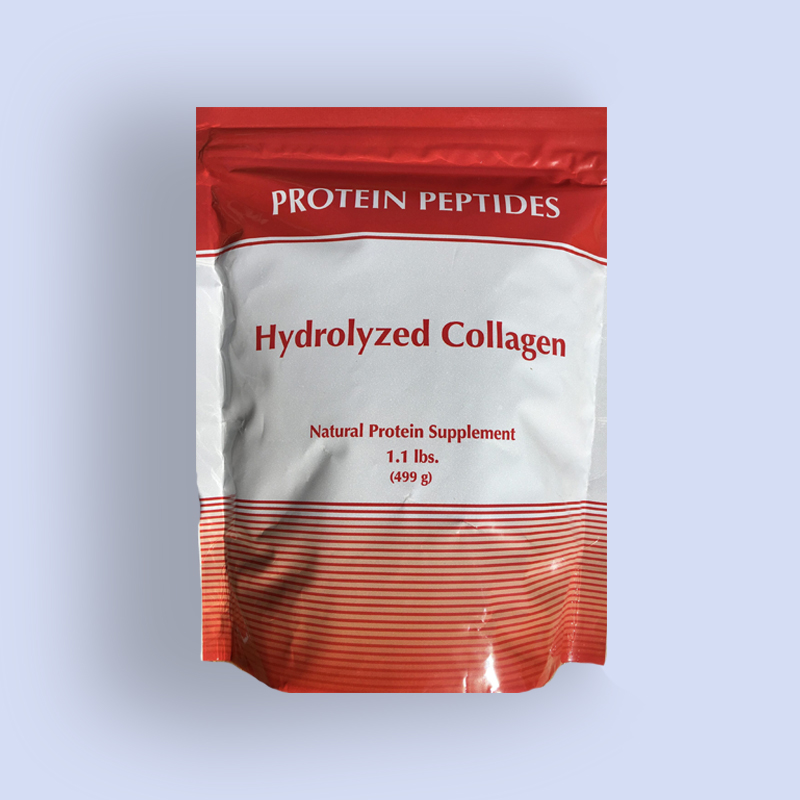
Hydrolyzed Collagen
$50.00
Description:
Best bet to promote lean muscle gain, normal joints, healthy organs, etc.
It’s nothing like other collagens you’ll see – read Chapter to find out why.
Ingredients: 100% hydrolyzed collagen
Bulk Discount Available!
Quantity discount for orders of 6 or more: $35. 50 or more: $30.
Quantity :
1
Add to cartBuy Now
Read Chapter:
Hydrolyzed Collagen
_.–“”–._
.’ `.
/ O O \
| \ ^^ / |
\ `—-‘ /
`. _______ .’
//_____\\
(( ____ )) The 60 Day Program
`——‘ Hydrolyzed Collagen – 6 for $35!
The 60 Days Program
The Program
The Diet
Order Supplements
Chapters
4
4 items
$840
My Account
Hello, Sign in
Hydrolyzed Collagen
Home
Hydrolyzed Collagen
Selected
Thumbnail 0Thumbnail 1
Hydrolyzed Collagen.
Collagen: Joints, Muscles, Skin
Hydrolyzed Collagen: Your Heart, Your Face, Your Performance
Hydrolyzed Collagen – The Science
Hydrolyzed Collagen: Purest Amino Acids for Your Muscles and Skin
Why You Need Hydrolyzed Collagen
Rebuilding Collagen, From the Inside
Read a few stories from real people, just like you:
HYDROLYZED COLLAGEN STORIES
Disclaimer: As with all food supplements on this site we are not guaranteeing or claiming to diagnose, cure, or treat any disease condition. These are not drugs
THE SCIENCE
INGREDIENTS: 100% Hydrolyzed Collagen
FOR BEST RESULTS: BLEND IN JUICE
During the past decade, Hydrolyzed Collagen has become very much in demand all over the world. For optimum uptake at the cellular level, we recommend that the collagen powder be blended in juice. Organic if possible; fruit or vegetable. Thousands of people seem to have achieved best results following this advice.
Occasionally someone will express concern about taking in too much sugar when using juice for the blend. “I can’t take the sugar” ….
Here are a few reasons why such concerns are groundless.
Any fruit or vegetable juice can be used, including celery juice, cucumber juice, cabbage, kale, or any other juice.
Orange juice is the most popular, being the most common breakfast beverage.
Whatever juice you choose, we’re talking about 100% pure of course, no concentrates, nothing added, organic if possible.
Now fructose is the natural fruit sugar in juices. If pure, the juice will contain within it all the vitamins and enzymes necessary for its complete breakdown into its simplest carbohydrate components. That’s called digestion.
This metabolic process will not cause undue stress, abnormal insulin spiking, overtaxing the pancreas or any other adverse effect in the healthy individual. No matter what you might read on google-pedia.
Blood glucose will always be temporarily elevated following a meal that includes carbohydrates. That is a necessary sign of the digestive process. Postprandial. But it soon returns to normal levels between meals. Pure natural juices are not a cause of diabetes. Just visit any supermarket and look down the double aisle of Coke, Pepsi, Dr Pepper, beer, etc. and see the real cause.
How much of that is in your kitchen?
Pure organic juice seems to work best for blending, for 2 logical reasons:
collagen suspended in an easily absorbable medium
whole food Vitamin C is an important co-factor in initiating the conversion of hydrolyzed collagen into the body’s own new collagen.
So, yes you can dissolve the Hydrolyzed Collagen in a smoothie.
So just forget about imaginary issues about too much sugar, etc. Fruit juice is not the reason why almost 30% of today’s US population is diabetic! See chapter: Sugar The Sweet Thief of Life
It would be intriguing to be able to look into the refrigerators and kitchen cupboards of some of these callers who are so worried about the ‘sugar’ in organic orange juice. Of course we’d find absolutely no Coke, soft drinks, cookies, donuts, liquor, beer, wine, cakes, pies, candy, chocolate, etc, just lying around… Right.
WHAT IS COLLAGEN?
A polypeptide molecule, collagen is a protein in our bodies. In fact, collagen is the largest and most abundant protein in the body, making up about 30% of our total protein.
Proteins are made of amino acids, such as glycine, proline, arginine, hydroxyproline, which are amino acids that exist in collagen in varying proportions, depending upon the source. As the largest protein in the body, collagen is a chain of over 1500 amino acids.
Collagen is the connective tissue for almost all our structures, including
heart……………lungs……….arteries………discs……….blood cells
skin…………….muscles…….bones………..cartilage……..liver
other organs……hair…………joints………..nails…………prostate
As we age, collagen production drops way off, and any of these systems can be affected. Most common example of collagen decrease: the floorward tendency of our skin and muscles as we age, which doctors call ptosis.
In the organs, decreased collagen causes instability and weakness. Organs like the heart and prostate may enlarge; other organs just get flimsier and weaker. For this type of degenerative problem, drugs simply don’t work.
Why does collagen production decrease? Hormonal changes, drugs, alcohol, processed food, white sugar, hydrogenated oils, overwork, radiation, fluoridated water, excess sun, nutritional deficits, dehydration, stress, trauma.
COLLAGEN LOSS
What else happens as collagen production decreases? Muscles and skin sag. The bones lose density. The joints and ligaments become weaker and less elastic. Cartilage becomes thinner and weaker at the joints it is supposed to cushion. Hair loses its wave or curl or thickness. Organs may sag toward the floor (prolapse), and may malfunction. The lungs turn to paper. The heart weakens and enlarges. The liver and prostate may weaken and enlarge. The arteries weaken and are less able to resist plaque formation. Also they are more likely to develop a break in one of their 3 layers (aneurysm). The muscular colon weakens. The skin becomes thinner and it wrinkles.
Ever notice that kids never lick their fingers for friction when thumbing through the pages of a book – only adults do? Collagen breakdown. Ever notice that plastic surgeons often own large houses overlooking the ocean? Collagen breakdown.
COLLAGEN DIGESTION
Normal digestion breaks down protein into peptides and amino acids, which are then absorbed into the bloodstream.
In order for the collagen found in foods and most supplements to be utilized by the body, it must first be broken down many times by the digestive system, and then absorbed into the blood in the precise form needed. It’s then reassembled into your collagen. Protein digestion of dietary collagen is often incomplete, resulting in some very large, unusable peptide chains.
This is why eating beef, chicken, turkey, etc. in order to gain muscle mass is an inefficient and metabolically expensive process.
A BETTER IDEA: HYDROLYZED COLLAGEN
With high end collagen supplements, the protein breakdown is already done, resulting in a more uniform result: usable small chain peptides and amino acids, ready to go. Hydrolyzed collagen radically increases the amount of usable protein in the diet.
Highest quality hydrolyzed collagen supplements are made from cattle hides. All mammalian collagen is structurally identical: including bovine and human. The cattle skin’s outer layer is split from the inner layer. The outer layer is used in the leather industry. The inner layer provides the raw material for a highly technical, multi-step process whose final result is Hydrolyzed Collagen.
This Hydrolyzed Collagen is sourced from grassfed beef.
The raw unprocessed collagen can contain all essential human amino acids except tryptophan, including
Glycine
Proline
Hydroxyproline
Glutamic acid
Alanine
Arginine
Aspartic acid
Glycine
Tryptophan is not necessary to make structural collagen in mammals.[17]
For 100 years, many companies have been using the inner split to manufacture gelatin. Gelatin has been used for decades in the food industry as a thickening, emulsifying, and jelling agent. Examples: marshmallows, candies, health bars, jello, custards, fillings, canning, etc.
There is even a grade of gelatin that is actually used in hospitals as a blood plasma substitute. So we might imagine the strict QC standards for sterility and cleanliness in place in producing collagen of this quality.
High end hydrolyzed collagen as a food supplement came about later on, but does not come from gelatin. Scientists learned to bypass that step and to break the raw material’s long chain triple helix protein into shorter pieces, and then to separate the 3 helices from each other. The resulting short individual peptides make up hydrolyzed collagen.
Cleaving peptides into sections is known as hydrolysis.
MOLECULAR WEIGHT
One determinant of Hydrolyzed Collagen’s ultimate quality is molecular weight, or size of the finished molecules. The unit of molecular weight is the dalton. The molecular weight of a batch of collagen, although expressed as a single number in daltons, is actually an average size within a range.
Commercial collagens sold as food supplements today can run from 10,000 daltons up to more than 50,000 daltons, depending upon processing. The average is near 45,000. For optimum bioavailability, or uptake at the cellular level, small is better. The lower the number of daltons, the smaller the molecule, the greater the bioavailability.
Below 2000 daltons there would be too many free amino acids, which would give the collagen a very harsh taste. At 3000 daltons, hydrolyzed collagen gives a neutral taste – actually no taste when mixed with fruit juice. This is the optimum molecular size for the best repair usefulness by the body.
Bioavailability is a prime criterion in evaluating any supplement, not just collagen: how much of the supplement actually gets absorbed at the cellular level. Bioavailability is expressed as a percentage, the higher the better, meaning that the greatest percentage of the supplement actually enters the body’s cells.
The 3000 dalton range is more than 15x better than most. Its bioavailability approaches 90%, digested and absorbed [ 2, Asghar] Other studies showed 95% bioavailability by radio-assay testing. [3, Oesser]
By contrast, most health supplements sold in mall stores have very cheap ingredients, which result in very low bioavailability, perhaps in the area of 5% or even less. Many pills, as in most of the multi products, do not even dissolve at all and pass through the body intact. That would obviously be about a 0% bioavailability.
PEPTIDE SPECIFICITY
The other criterion for quality is peptide specificity. You probably remember from school that proteins are strings of amino acids. Peptides are pieces of long-chain protein molecules. There are thousands of possible amino acid combinations which can be clipped from any given protein. Each particular length has a specific task it performs once in circulation. It took years of research by the scientists who developed our Hydrolyzed Collagen to produce specific peptides which are the exact size and configuration that can rebuild specific tissues in the human body. No other manufacturer goes to all this trouble. But they charge the same price as our high-end product.
This is the other critical factor that sets our collagen apart from everything else on the market. Peptide Specificity.
For a more complete understanding of Hydrolyzed Collagen please read this whole chapter
DOSAGE
Hydrolyzed Collagen comes in a big pouch: 1.1 lbs.
Dosage varies from 2 – 6 tablespoons per day, blended in juice.
How much should you take?
Acute conditions, injuries, arthritis, etc : 3 tablespoons twice a day, blended in juice.
Maintenance dose, or detox program: 3 tablespoons per day, blended in juice. May be done 2x per day if needed.
This is not a pharmaceutical – precise amounts are not critical. You could probably take a whole jar with no adverse effects. But that would be wasteful. Maximum absorbed amount would be in the vicinity of 6 tablespoons per day, for most adults.
LOADING DOSE
That means in order to really give this supplement a fair try, you have to take it every single day, until you go through 2 full packages. Don’t miss a day or you’re wasting money. Only then will you be able to say you really gave it a try.
Why blended in juice? Much better absorption if the collagen is suspended, we found out. Therefore better results. Any kind of fruit or vegetable juice – organic is better of course, no concentrates, sugar, or other additives.
TYPE I OR TYPE II?
People call all the time and want to know if it’s Type I or Type II. This indicates 3 things:
They’re at the very beginning of an understanding of collagen
They skimmed some superficial articles off google/wiki or one of the low-end collagen sites for a bout 30 seconds.
They never read this chapter.
There’s a short answer and a long answer to this question.
Short answer: it’s both, but Type is a non-issue and not relevant to rebuilding human structures. Type I and Type II are 95% identical. It’s the wrong question for the new shopper. They really should be asking about things like sources and bioavailability, which do vary widely within the industry.
Long answer: (OK to skip this unless you have some college science)
When we’re talking about types, you have to specify, are you talking about the supplement, or the type of tissue you’re trying to strengthen in your own body? There are at least 16 types of collagen in the mammalian body, but most of it is Types 1, 2, and 3.
With our Hydrolyzed Collagen, the source is primarily bovine Type 1. Grass fed, of course, no hormones, antibiotics, etc. But because of its small molecular weight, this collagen is available for many different types of tissues within the body, and all the structural tissues.
So stop reading the contradictory overintellectualized ‘science’ papers pretending to figure what’s the best collagen by Type, and look at the dozens of stories on the Testimonials page of real patients with real problems.
Want to get more technical?
They’re both triple helix,
triple helix
triple helix
but TYPE I COLLAGEN
2 ALPHA helices
2 ALPHA helices
1 BETA helix
1 BETA helix
The 2 Alpha helices are identical. The beta helix is only 7% different.
.
.
TYPE II COLLAGEN
3 ALPHA HELIXES
3 ALPHA HELIXES
Therefore the two Types are over 95% identical, with only a very few peptides different.
This is why asking “is the supplement Type I or Type II” is irrelevant, because after hydrolysis, at 3000 daltons average size, there’s no way to tell which type any one peptide came from.
So when someone asks “is it Type I or Type II?” that means that they have just begun to investigate collagen and know very little about it at all. Far less than someone who has read this chapter.
SORRY MADAM: SHORT-CHANGED BY EVOLUTION
You’re not gonna like this, ladies, but men’s skin is more resistant to aging than women’s. It’s a physiological fact, and it’s incontrovertible.
Why? The short answer is that throughout aeons of mammalian evolution, in trade for the structural advantage for stretchability of the skin, selected for in childbearing, there’s a downside.
Male dermis has a beneficial structural cross linking, a consequence of male hormones. Selected for by hunting and fighting activities, as genetic anthropologists will tell you.
Women’s skin lacks this inborn cross linking, because the lines of skin collagen are formed primarily almost perpendicular from the surface of the skin. Straight in. The result is slightly thinner skin, but extremely more elastic.[17]
This is why those little Chinese gymnast children you see at Cirque de Soleil are never boys. They’re always little girls – extraordinarily elastic. Later on, in the childbearing years, this characteristic comes in very useful, which still applies even to women who give birth in their late 40s. It’s hormonal, directly related to the XX chromosome.
Too bad, but consequently women are prone to the ‘orange peel’ look of the skin’ As the dermis becomes thinner, and fat cells increase, the thin dermis may mold around the bumpy fat cells underneath, giving the classic orange peel look.
This is why women are often willing to rush off to any plastic surgeon who promises to tighten things up a little. It can sometimes help. But many are opting for a much less expensive, natural and noninvasive first resort: Hydrolyzed Collagen food supplement.
NO OTHER PROTEIN POWDERS
You’ll read this on the label – do not take any other protein powders when you are taking this supplement. Why not? Simple. It’s a waste of money.
Our whole philosophy is that we want patients to be taking the least number of food supplements possible, spending the least amount of money on supplements, but still giving the cells everything they need for optimum cell nutrition and detoxification. Nutrition and detox are only valid if they’re addressed to the cellular level.
If you’re taking several protein supplements, how would you know what does what?
Another of the most commonly asked question that people call in with – why no other protein powders? A few of the reasons:
THE PROCESS
Bringing the raw split all the way to the best finished hydrolyzed collagen is a very expensive and complicated process involving huge tanks and equipment, many of which are some 4 stories high.
Here is a summary of the major steps, again for the technically minded:
Washing
First there is a very thorough washing process to remove large impurities from the raw split.
Hydrolysis to 3000 daltons
The best method for hydrolysis of the raw split uses a proprietary blend of proteolytic enzymes.
Without heat and acids, the bio-compatible integrity of the finished molecules will be guaranteed.
The best companies skip the gelatin phase, and hydrolyze raw material directly from the split.
Microfiltration
Next: microfiltration at 80°C to remove small particulate contaminants
Deionization, for purity.
All foreign molecules and salts are removed via cationic and anionic ionization
Concentration
A proprietary process next brings the 5% protein concentration of the raw split up to the necessary 15% protein concentration.
Sterilization
The material is sterilized at 140 degrees C for 3 seconds.
Hydrogen Peroxide perfusion
The material is stored in giant vats for 3 days in an H2O2 solution and then tested again for microbes.
Virtually never are any found by this stage.
Spray drying
This step is done in huge stainless steel vats several stories high, with powerful blowers.
A completely sterile process, it takes over 8 hours. Spray drying at 80 ° removes H2O2 and enzyme residue.
Metal detection
Last step. The hydrolyzed collagen is blown through a metal detector for any possible heavy metal contamination.
They never find anything of course, after all this hydrolysis and sterilization, but they always want to err on the side of purity.
After that, the material is bagged, in a final very sterile process and placed on pallets for shipping.
Very few companies go to all this trouble to get these smallest, purest peptides, so close to human building blocks of lean muscle, damaged joints and providing for other collagen deficiencies.
Once the body is provided with usable building blocks for new collagen, often for the first time, most systems can show dramatic improvement:
Impossible? Why have we heard so little about the fantastic effects of collagen? Well just think – if a natural food supplement 100% clean, with no side effects could actually have powerful therapeutic effects on any system dependent on collagen, who would study that? Who would publish the results?
Actually, legitimate studies have recently been conducted, and the results are overwhelming. See References.
SKIN REBUILDING: CLINICAL STUDIES
As we’ve seen, skin is made of collagen. As we age, collagen production drops off and skin sags because it gets thinner, weaker, drier, and less resilient, less pliable. This deterioration is directly linked to amino acid content.
Specific amino acids in the skin’s structure, like glycine, proline, hydroproline, and alanine – decrease with age and bad diet.
Since Hydrolyzed Collagen contains most essential amino acids, it is not surprising then that third party clinical studies have clearly demonstrated significant skin improvement by taking it daily.
A 2008 study in Tokyo [14] of 33 women ages 40-60 who took 10 g of Hydrolyzed Collagen daily for 2 months showed a 91% increase in skin hydration and resilience.
A Dermiscan study in Lyon, France in 2008 showed similar findings in an age group of 35-55: an increase in skin smoothness and hydration, using the new Corneometer and Skin Image Analyzer technologies. [15, 16]
After 12 weeks of 10g Hydrolyzed Collagen daily, 41% less furrowing, less wrinkles, more resilient, more hydrated. Skin resilience was measured by the C&Z Cutometer, which is objective and state of the art.
Other scientists have shown exactly how the new collagen is rebuilt, not only in the skin, but in bones and ligaments. Metabolites of Hydrolyzed Collagen build bone, skin and ligaments by attracting fibroblasts. This is how they trigger the synthesis of new collagen. ([5] Postlethwaite)
Hydrolyzed Collagen also increases the diameter of collagen fibrils in the dermis by the same mechanism: fibroblast stimulation. This in turn increases cohesion of the dermal collagen fibers themselves, which is a true anti-aging step. In the skin, this action means increased thickness, suppleness and resilience, as well as hydration.
Hydration, or water content of skin tissue, is proven directly related to overall smoothness and decreased furrowing and wrinkling. ([9] Sumida)
AWARENESS OF COLLAGEN
Global awareness of the value of hydrolyzed collagen is skyrocketing across the world today at more than 10% per year, in several applications. In Japan and China the most popular area of increased awareness of hydrolyzed collagen is in anti-aging cosmetics, specifically for skin rebuilding, and for hair and nails. Japan is already a huge market for hydrolyzed collagen, and their demand is increasing about 3% per year.
In China it’s a newer discovery, and that demand is increasing at a rate close to 100% per year. The effective cosmetic uses of hydrolyzed collagen as employed in Asia are now well documented by many clinical studies we will cite.
In Europe, where hydrolyzed collagen is certainly very important for cosmetics, the #1 application is in the area of bone health. Elderly folks, especially women, are acutely aware of the epidemic levels of osteoporosis in their demographic. The unfortunate truth is that most of the standard osteoporosis information, furnished by the pharmaceutical industry to promote drugs and calcium supplements, is incorrect. Many of the drugs, like Fosamax, are not only dangerous, but they actually harm the bones in the long run, making them to dense, weaker and brittle as marble.
But Europeans have known for years that hydrolyzed collagen, as a natural product, can deliver the promised improvement to bone health with none of the documented side effects of drugs. That’s one reason demand for hydrolyzed collagen is increasing at about 5% per year in Europe.
In the US and in South America, the demand for hydrolyzed collagen is increasing by about 20% per year, for these same effects: improvements in skin, hair and nails as well as bone re-mineralization.
The increased global demand for hydrolyzed collagen has brought with it some new dangers, of course. Newcomers to the collagen industry, with little experience in processing traditions, seeing the glittering new market, take many production shortcuts, and focus instead on making extravagant claims.
WEIGHT LOSS
Back in 2005 the World Health Organization said that 41% of Americans were obese. Think it’s gone up or down since then? Different sources, different figures, but just look around. Obesity is a Body Mass Index over 30. Overweight is a BMI over 25, so easily much of the population is overweight, at least 60%.
Obesity happens with a high ratio of energy-dense and indigestible foods compared with body’s energy used. What we don’t need is stored as fat.
It has been known for 25 years that Hydrolyzed Collagen has a very satiating effect: appetite suppressing, thereby promoting weight loss, as shown in many clinical studies. [4,6]
That’s why since the 1990s, the makers of health bars have been adding collagen for weight loss applications because it promotes appetite control.
But with our 3000-dalton powder form, mixed in juices, 10 g per day not only suppresses appetite but also provides highly usable protein. Nor are there any acids, fillers, hormones, antibiotics, or harsh processing — the downside of standard weight loss gimmicks we’re all familiar with.
COLLAGEN FOR ATHLETES
Another area that is increasing worldwide demand for hydrolyzed collagen is certainly the field of sports nutrition. A natural available molecule that can quickly boost lean muscle gain, decrease recovery time, rebuild damaged joint structures without surgery, improve cardiovascular performance – on and on – athletes all over the world are dumping their steroids and cortisone in favor of Hydrolyzed Collagen.
This is accomplished by its promotion of natural creatine, an essential amino in new muscle growth following workouts. Arginine within the hydrolyzed collagen also promotes increased muscle mass.
Hydrolyzed Collagen is the ideal source for amino acids because of the care taken in production. Enzyme hydrolysis.. This cannot be said for most brands of arginine, creatine, hydroxyproline, etc. sold in mall stores and gyms.
Athletes who want the healthiest training methods are learning that large quantities of pure Hydrolyzed Collagen can be added directly to smoothies and shakes and have a much more immediate effect than the small amounts in the sugared hydrogenated “health bars.” Or the overblown protein drinks, ubiquitous in supplement stores and health clubs, which are not in the same category as low molecular weight Hydrolyzed Collagen, in any discussion of metabolic physiology promoting optimum athletic performance.
ANTI-AGING
The group which probably benefits most of all from these same exact pathways of amino acid nutrition with Hydrolyzed Collagen is certainly the elderly. With reduced diet intake, the availability of usable proteins is optimized if Hydrolyzed Collagen is employed as a food in the daily routine. Same deal as with athletes: maintenance of leaner muscle, decreased fats to clog arteries, increased organ support. [7, Hays]
BEST OF TODAY’S COLLAGEN
These days there are many different collagen products online. You see them at health food stores and everywhere. Most are made using harsh production steps, as cheaply as possible and then marketed as the best possible, etc. Capsules are a giveaway it’s less than optimum. Kinda hard to fit 3 tablespoons into a capsule.
In powder form, Hydrolyzed Collagen can be mixed with fruit or vegetable juice, preferably organic, not from concentrate. Any time of day – with meals, without meals – doesn’t matter. Use a blender. If it foams up, just wait till the foam goes away. For marginal results, mix it in water. For no results, try coffee.
Because of the expense of the careful processing described, there is no comparison in results with other commercial collagen. Taking it twice a day, 2 or 3 tablespoons in juice, most patients notice a some difference in 3 weeks or less. After a month, many have experienced dramatic changes. As with any completely natural product, the result is cumulative, which means don’t miss a day once you start. Or expect changes overnight. How long did it take you to get this worn out?
GLUCOSAMINE
We’ve all heard about Glucosamine sulfate – a protein supplement derived from the chitin of shellfish. Chitin is the hard material that makes up the shells. The theory is that in pure form, glucosamine sulfate will rebuild joints because it is a component of the shellfish’s shells as well as a component of your cartilage.
An Italian researcher, Rovati, was the world authority in the area of glucosamine sulfate for over 60 years. The main problem was stability – isolated glucosamine sulfate naturally tends to degrade into formless mush after about 30 days. In the 1970s, Dr. Rovati patented a process to stabilize glucosamine sulfate, which process is still used today. Glucosamine sulfate can sometimes deliver what it promises – relieve joint problems.
But what usually happens when people stop taking glucosamine? Right – the problem returns. That’s what everybody says. Why is that? Because the action of glucosamine in joints is primarily anti-inflammatory. Not reconstructive. Glucosamine may stop the inflammation, which is caused by the action of worn out discs, joint capsules, menisci, bursae, etc. But the irritation continues and inflammation is constantly occurring. So when the glucosamine stops coming in, inflammation is once again uncontrolled, and the pain starts back up.
CLINICAL RESULTS
Above we have seen recent clinical studies cited for the use of Hydrolyzed Collagen. Some of the early work that was done with hydrolyzed collagen involved cancer patients. As cancer progresses, it often destroys muscle tissue in a very aggressive fashion. People who have been around family members who are dying of cancer may notice the characteristic way that the muscles of the arms and legs seem to turn to limp string. Doctors call this condition cachexia.
As more and more patients began to use Hydrolyzed Collagen, a wide range of clinical gains was demonstrated. First the chronic joint conditions, especially of shoulders and knees that had been weak and painful for years — suddenly, normal. Canceling replacement surgery is almost routine. Many patients report the skin thickens and tightens, after daily supplementation is begun. They say hair often thickens as well. Those changes we expected.
But what was most surprising was the number of organic dysfunction cases that were addressed.
[See: Feedback and Testimonials section on the site]
Such improvements would show up with great regularity, and soon we came to almost expect them. When the physiology of these conditions is considered, the logic falls into place. For the first time in years, the body is being provided with the building blocks of its own new collagen. It prioritizes where the collagen is needed most – the epitome of the holistic model.
This is a completely different approach from drugs which admit to being destructive in the chronic case.
Performance athletes and bodybuilders all over the world are switching to hydrolyzed collagen. For a reason..
PART OF THE 60 DAY PROGRAM
In the 60 Day Program, it has been practically a mantra that we want to keep the number of supplements to an absolute minimum so that the patient was spending the least amount of money, but still taking in everything necessary for a complete detox and nutrition turnaround. These patients are the target of every Magic Bullet Salesman since Louis Pasteur, all claiming their products were essential to any effective program, etc.
But with collagen this clean and absorbable, the body can often benefit from suddenly having something that hasn’t been present for years, but which is the structural material of virtually every part. And it’s the body itself that is doing the prioritizing – the triage. The body directs the repair materials to the locations most in need — truly emblematic of the holistic model.
Holistic means give the body what it needs to heal its own tissues, remove the interference, remove the accumulated wastes. And stick with the program until normal equilibrium is re-established, no matter what. Classic simplicity, with high expectation of positive results; but difficult to commit to, because it requires lifestyle change.
Sadly, when faced with a choice between lifestyle change and death, most people will choose death.
Obviously that’s not the demographic that can expect the best results from the 60 Day Program, which includes 6 supplements all of the same calibre as the Hydrolyzed Collagen we have been describing.
But for those with the wherewithal to follow through and adhere strictly to the regimen, the missing key to their health picture may appear.
We didn’t even have time to name it – it’s just called Hydrolyzed Collagen. Set forth in the chapters of thedoctorwithin.com it’s a product that can affect all the systems of the body at the cellular level.
Hydrolyzed Collagen is the definition of the 100% natural food supplement, aimed at highest bioavailability at the cellular level.
Disclaimer: As with all food supplements on this site we are not guaranteeing or claiming to diagnose, cure, or treat any disease condition. These are not drugs
REFERENCES
Engelbrecht, Christoph – Interview: Paris, France 6 May 2010
Asghar, A – 1982 chemical biochemical and functional characteristics of collagen—Advances in Food Research vol 28 p 231
Oesser , S – 1999 oral administration of 14cgelatinhydrolasate Journal of Nutrition vol 129 p1891
Veldhorst M – A breakfast with a-lactalbumin protein Clinical Nutrition vol 28 p 147 2009
Posstlethwaite, A – 1978 Chemotactic attraction of human fibroblasts National Acad. Of Sciences vol 75(20 p 871
Martin A – Advanced nutritional intakes Ed. Tec. & Doc Paris 2001
Hays N – Effects of whey and fortified collagen Journal of Am. Dietetic Assn. vol 109 p 1082 2009
Guyton, A.C., M – Textbook of Medical Physiology
Sumida E The effect of oral ingestion of collagen peptide on skin hydration Journal of Nutritional Food vol 7(3) p 45
Theodesakis – The Arthritis Cure
Warberg, Otto – The Metabolism of Tumors
Rotta Research Labs – “Profile of Glucosamine Sulfate”
Woods, Chris – “Repairing Parchment With Collagen” 16 Apr 1997
SOUKEN study Tokyo Japan: two month study hydrolyzed collagen 2008
DERMISCAN study Lyon France Cutaneous properties of hydrolyzed collagen 2008.
COURAGE and KHAZAKA study: Moisturizing effect of hydrolyzed collagen measured with Corneometer and Skin Image Analyzer
Seminars with German molecular biologist Stephan Housmanns, PhD – Autumn 2016
A few more collagen stories from patients:
HYDROLYZED COLLAGEN STORIES
HYDROLYZED COLLAGEN: REHAB OF LOST BICEPS
_ _
| | | | Hydrolyzed Collagen
| |__| | Supports Healthy Joints
|______| 6 for $35!
.–.
/.-. ‘———-.
| ( ) | The 60 Day Program
\’-‘ / Collagen | Wholesale Discounts!
‘–‘————‘
After attending Dr O’Shea’s nutrition seminar I have been using the 60 Day Detox in my practice.
Recently I was working with a patient, a 50 year old construction worker who had a swollen and arthritic knee for years. Painkillers and antibiotics couldn’t touch it. Recently he had a severe flareup and had great difficulty walking.
He started taking Dr O’Shea’s collagen, and after one week was 80% recovered. In 3 weeks he was 90% cured.
His wife is a nurse and doesn’t believe in anything holistic. But after seeing these results with the husband, decided to try the collagen for the rheumatoid arthritis in her fingers that had been worsening for years. After 2 weeks, her hands were 80% recovered.
I don’t know what this collagen is, but my patients are amazed.
– Dr Yaniv Farbenbloom, Los Angeles
Email: doc77777@gmail.com
Call : 915.330.4629
Information
The Program
Videos
Custom Links
Login
My Account
Newsletter
Enter your mail
Submit Now
2025 © all right reserved by The60DayProgram | Powered By amplewebsites.com
Hydrolyzed Collagen